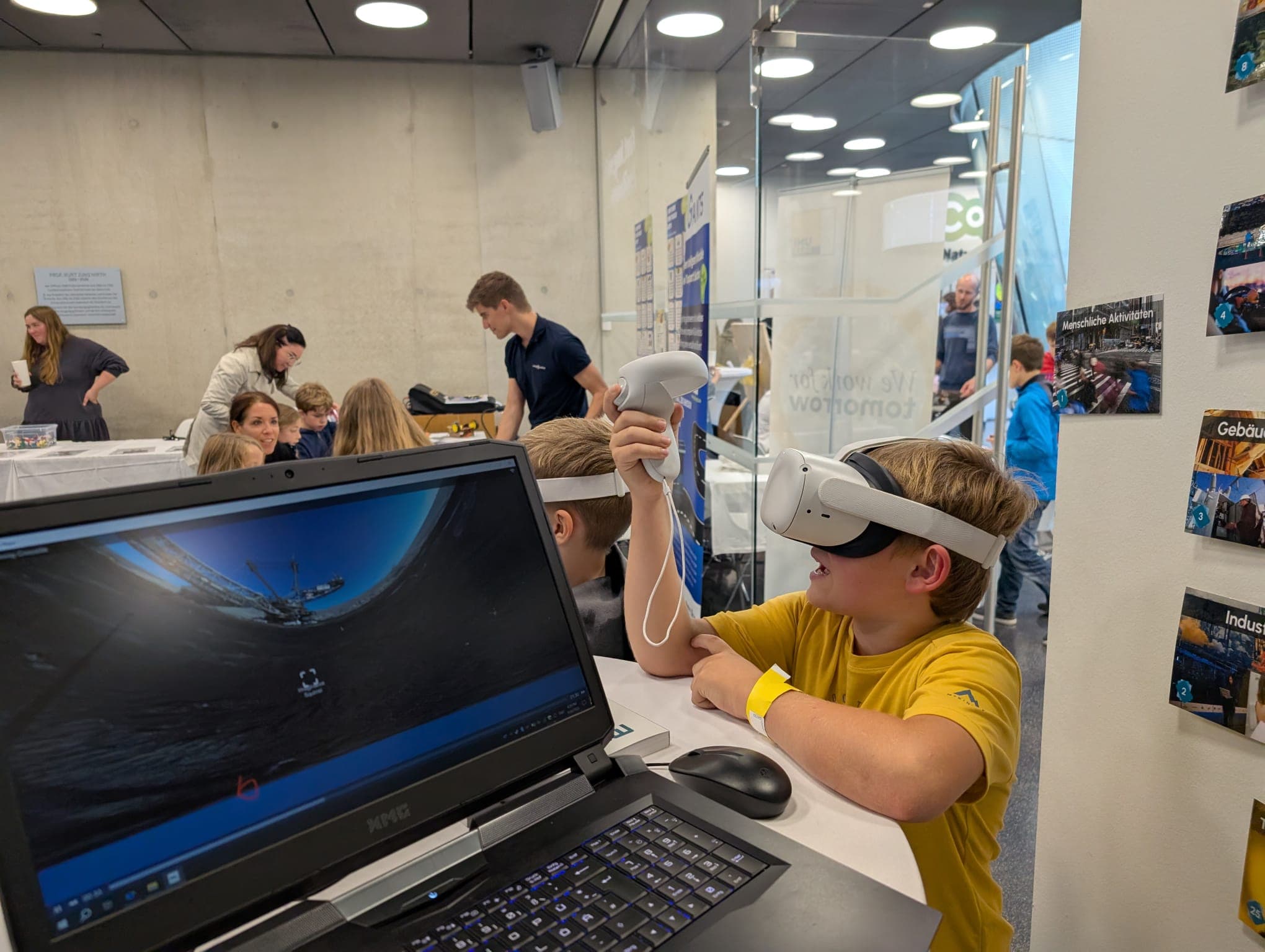
After much fine-tuning, the first edition of MiReBooks in printed form has been printed and is now available. These books will take mining education to a higher level by incorporating VR and AR elements into teaching!
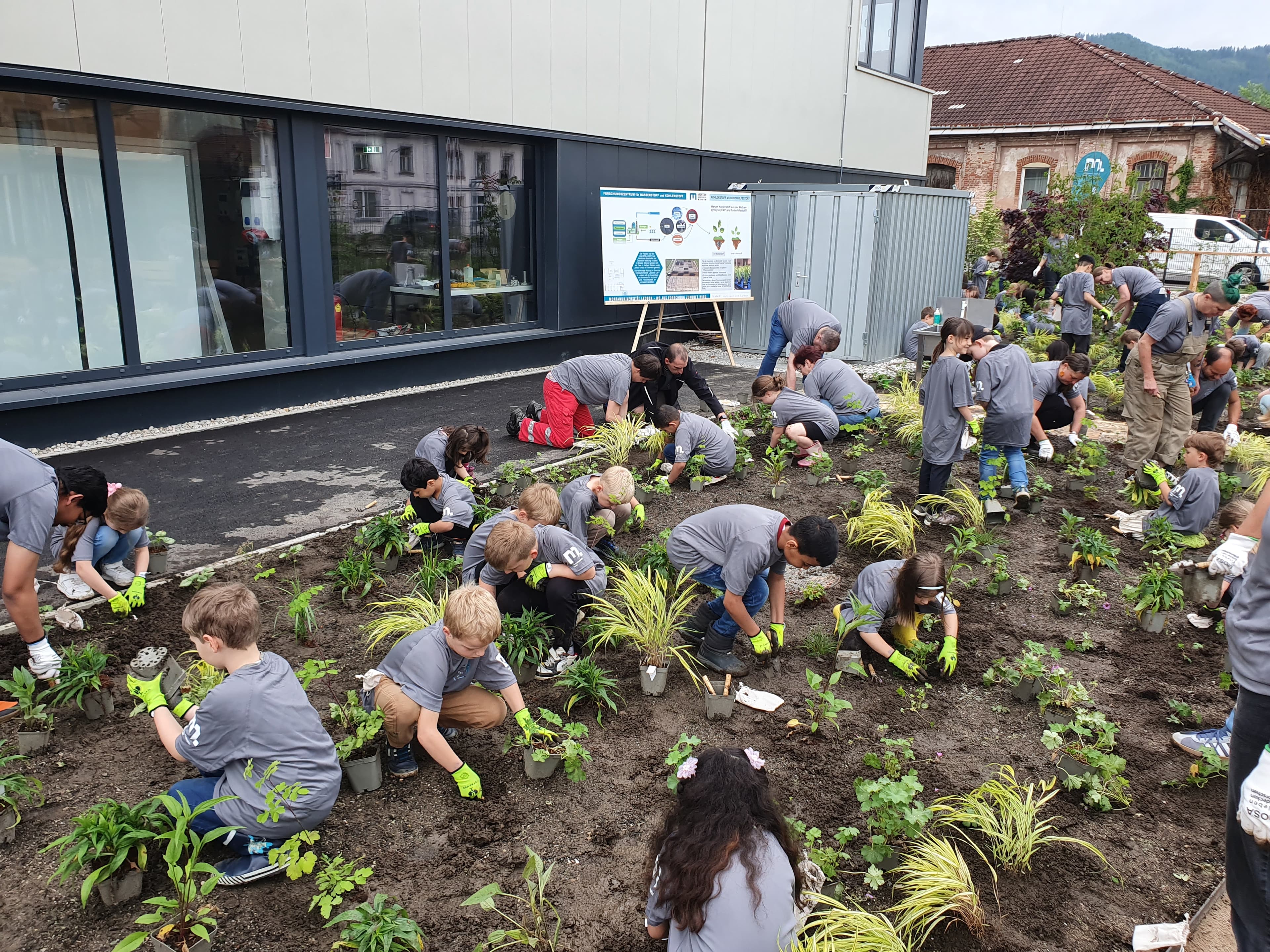
The new research center for hydrogen and carbon in Leoben ceremoniously opened its doors on October 17, 2024.
Rector Peter Moser and Vice-Rector Helmut Antrekowitsch emphasized the key role of the new research center for the future development of energy technologies and the importance of cooperation between science and industry. Advanced process technologies are being developed here that will make it possible to provide large quantities of hydrogen for industry. At the same time, the entire value-added cycle of hydrogen and carbon – from production, transportation and storage through to application – is being researched.
Another focus is on researching the sustainable use of carbon in the areas of agriculture, construction and high-tech applications, such as hydrogen storage.
Manuel joined RIC Leoben in January 2019. He successfully manages the MiReBooks project, “Mixed Reality Handbooks for Mining Education”, a 14 partner pan-European education project, with a budget of 3 Mio EUR. The project is funded by EIT RawMaterials Academy and tackles current needs and gaps in mining education regarding digitalisation of contents and concepts.
Manuel obtained an MSc in mining engineering from León Mining University, Spain. After graduating from university he worked in the oil and gas service industry for many years.
He opted for Leoben because he felt like it was time to return to his mining roots.
Manuel is currently preparing his PhD in the area of a digital teaching platform.
Dubrovnik International ESEE Mining School
Duration: 04/2017 – 03/2025
The main objective of the project is knowledge transfer, as well as strengthening innovation capacities in the mining, recycling and waste management sectors. This is a lifelong learning project that will be implemented in close partnership with industry stakeholders in all project consortium countries.
During the years of project implementation, the following key topics were / are analyzed:
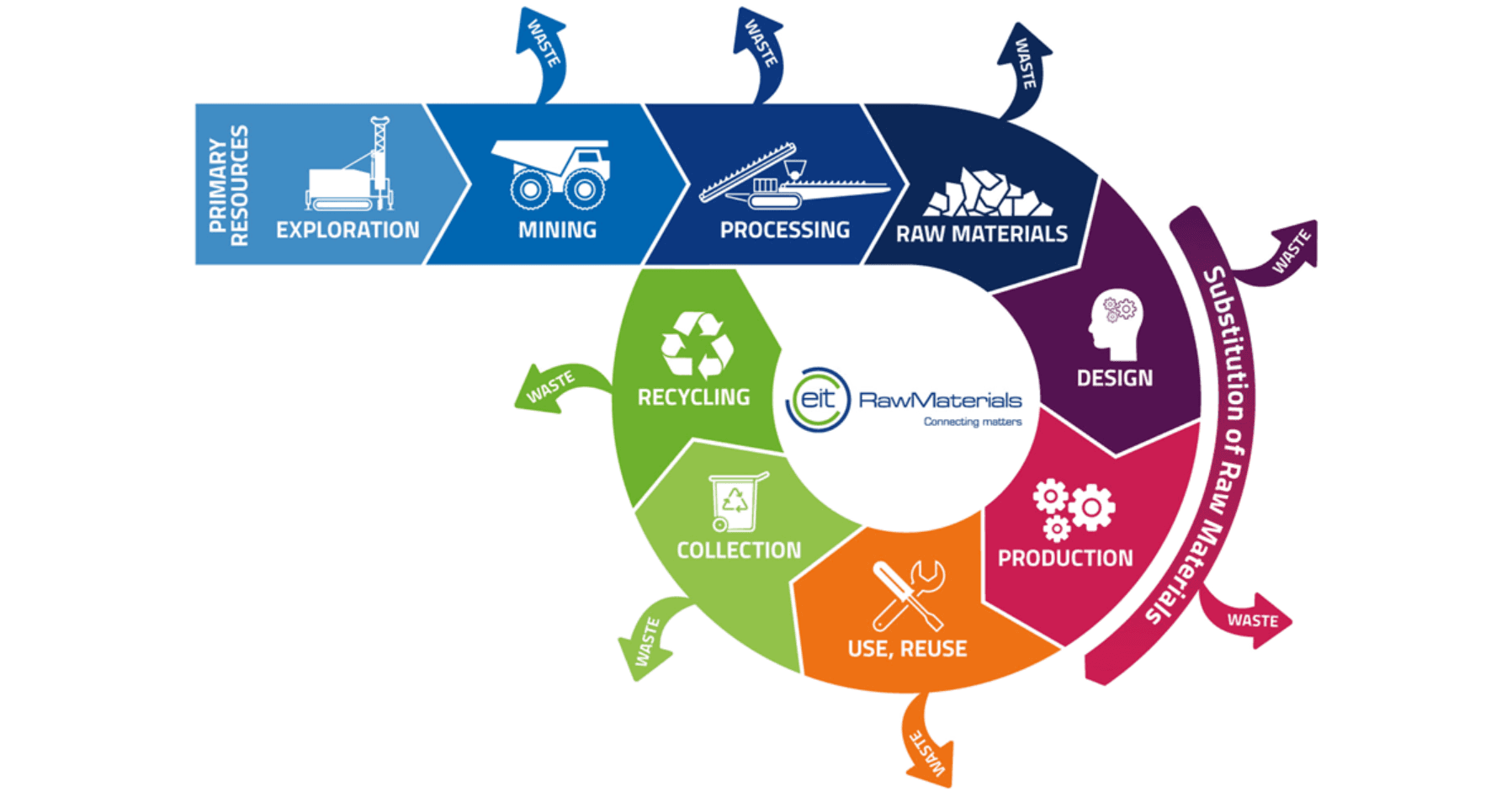
• 2017: Zero waste management
• 2018: Deep intelligent mining
• 2019: Small mining sites
• 2020: Recycling
• 2021: Innovation in Exploration
• 2022: Innovation in Orebody Characterization
• 2023: Innovation in Extraction
• 2024: Innovation in Ore Processing
The knowledge and skills gained at DIM aim at increasing the employability of mining engineers. In the long run, the programme will lead to an increase in sustainable mining and processing activities, which will result in economic growth and the creation of employment in respective countries.
Partner: Montanuniversität Leoben (RIC Leoben), University of Zagreb, Slovenian National Building and Civil Engineering Institute, Dnipro University of Technology (NMU Ukraine), University of Miskolc, Technical University of Kosice, AGH University of Science and Technology, University of Belgrade – Faculty of Mining & Geology (UNIBG-RGF), University of Mining and Geology St. Ivan Rilski (Sofia)

After much fine-tuning, the first edition of MiReBooks in printed form has been printed and is now available. These books will take mining education to a higher level by incorporating VR and AR elements into teaching!